
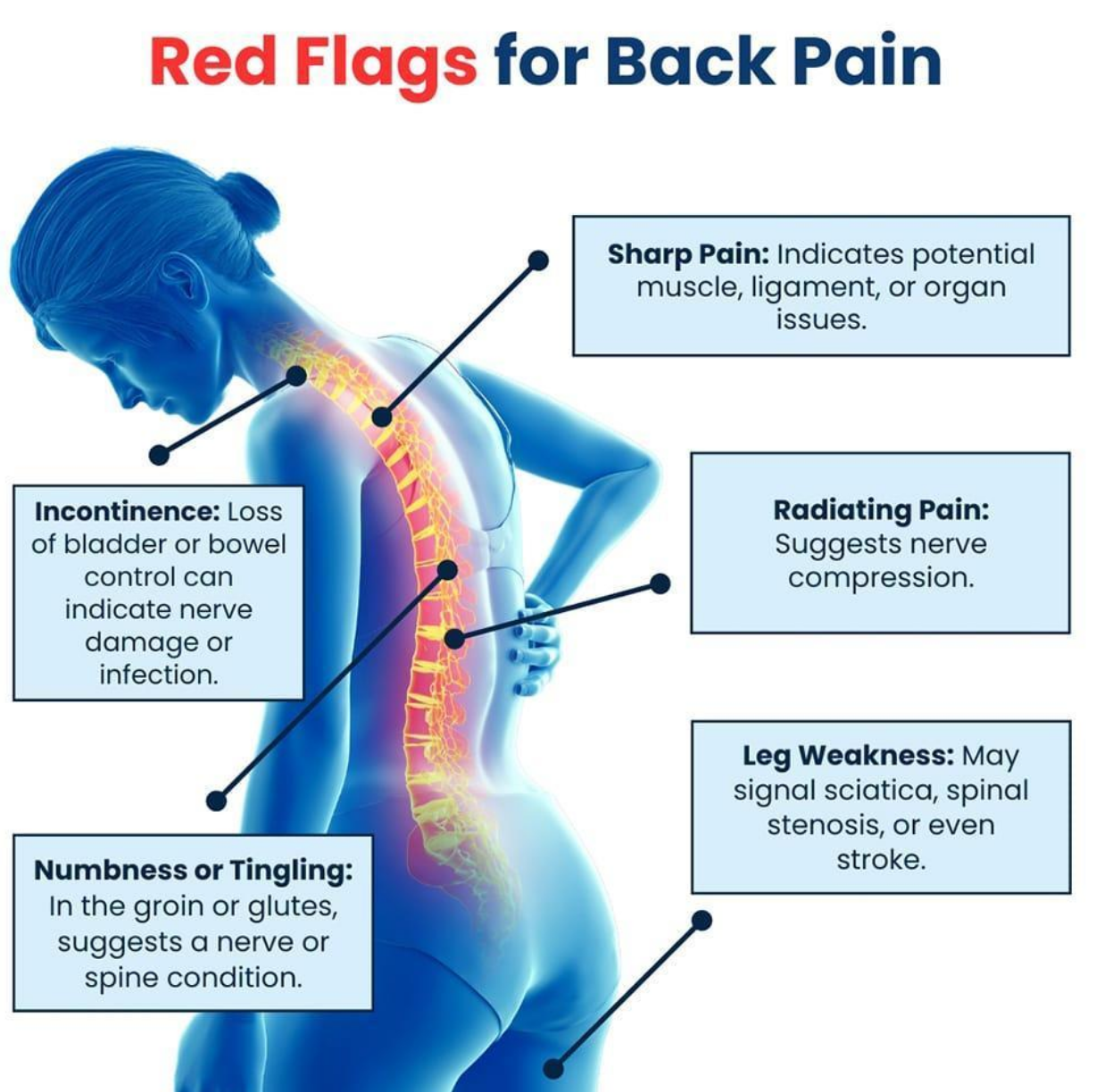
Back pain is one of the most common health complaints, affecting millions of people every year. In many cases, it improves with rest, physical therapy, medication, or lifestyle changes. However, there are situations where back pain signals something much more serious. Certain symptoms indicate that the spine or nerves are under significant pressure, and delaying treatment could result in permanent nerve damage, loss of mobility, or even loss of bowel and bladder function.
Knowing the difference between ordinary back pain and a true spinal emergency can help you make informed decisions about your health. This guide explains the warning signs that require immediate medical attention, the conditions that may need emergency spine surgery, and why early diagnosis is critical for achieving the best possible outcome.
Understanding Back Pain
The spine is a complex structure made up of vertebrae, intervertebral discs, nerves, muscles, ligaments, and joints. These components work together to provide stability while allowing flexibility and movement.
Back pain can develop from many causes, including:
- Muscle strains
- Herniated discs
- Degenerative disc disease
- Arthritis
- Spinal stenosis
- Osteoporosis
- Trauma or falls
- Infections
- Tumors
Most episodes of back pain are not emergencies. They often improve within a few weeks with conservative treatment. However, severe pain accompanied by neurological symptoms should never be ignored.
When Does Back Pain Become a Surgical Emergency?
Back pain becomes a surgical emergency when it threatens the spinal cord or major nerve roots. In these situations, delaying treatment may cause permanent neurological damage.
Emergency spine surgery is typically performed to:
- Relieve pressure on nerves
- Restore spinal stability
- Prevent permanent paralysis
- Preserve bowel and bladder function
- Prevent long-term disability
Immediate evaluation by a spine specialist is essential whenever these symptoms develop.
Warning Signs You Should Never Ignore
1. Loss of Bowel or Bladder Control
One of the most serious warning signs is the sudden inability to control urination or bowel movements.
This symptom may indicate Cauda Equina Syndrome, a rare but life-threatening condition caused by severe compression of the nerves at the bottom of the spinal canal.
Additional symptoms include:
- Difficulty starting urination
- Urinary retention
- Loss of bowel control
- Reduced sensation while using the restroom
This condition requires emergency surgery, often within hours, to maximize the chances of recovery.
2. Numbness Around the Groin or Inner Thighs
Loss of sensation in the buttocks, groin, or inner thighs—often called saddle anesthesia—is another hallmark symptom of severe nerve compression.
This symptom should never be ignored, even if back pain seems manageable.
3. Sudden Weakness in the Legs
If one or both legs suddenly become weak, difficult to move, or begin giving way while walking, immediate medical evaluation is necessary.
Weakness may indicate:
- Severe disc herniation
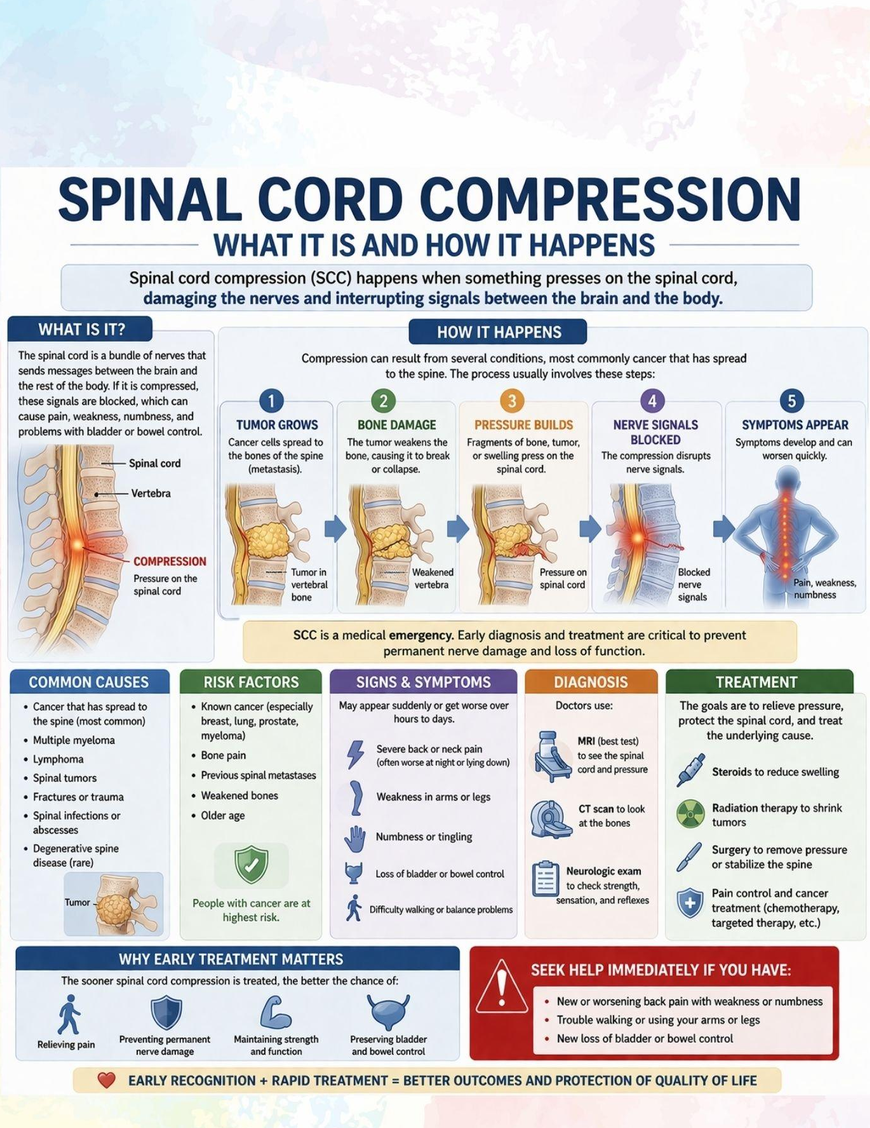
- Spinal cord compression
- Nerve root injury
- Spinal tumor
- Traumatic injury
Prompt treatment may prevent permanent loss of muscle function.
4. Severe Pain Following Trauma
Back pain after:
- Car accidents
- Falls
- Sports injuries
- Workplace accidents
may indicate fractures or spinal instability.
Emergency imaging is often required to determine whether surgery is necessary.
5. Progressive Numbness or Tingling
Occasional tingling is common with sciatica. However, numbness that spreads, worsens, or affects both legs can indicate increasing nerve compression.
If symptoms progress rapidly, emergency evaluation is recommended.
6. Fever Along With Back Pain
Back pain accompanied by:
- Fever
- Chills
- Night sweats
- Fatigue
may indicate a spinal infection. Spinal infections can spread quickly and damage the spinal cord if left untreated.
7. Severe Back Pain With Cancer History
Patients with a history of cancer should never ignore new or worsening back pain. Certain cancers can spread to the spine and compress the spinal cord. Prompt imaging helps identify metastatic disease before permanent neurological injury occurs.
8. Loss of Balance or Difficulty Walking
Difficulty maintaining balance or coordination can suggest spinal cord compression rather than simple muscle strain.
Common symptoms include:
- Frequent falls
- Clumsy walking
- Difficulty climbing stairs
- Trouble standing
These symptoms deserve immediate attention.
Conditions That May Require Emergency Spine Surgery
Cauda Equina Syndrome
This is among the most urgent spinal emergencies.
Symptoms include:
- Saddle numbness
- Severe back pain
- Sciatica in both legs
- Loss of bladder function
- Loss of bowel control
- Leg weakness
Early decompression offers the best chance of preserving nerve function.
Acute Herniated Disc
Most herniated discs improve without surgery.
However, surgery becomes urgent if:
- Progressive weakness develops
- Severe nerve compression occurs
- Cauda Equina Syndrome is suspected
Spinal Epidural Abscess
An infection around the spinal cord can rapidly compress nerves.
Treatment may involve:
- Emergency surgery
- Intravenous antibiotics
- Hospitalization
Spinal Fractures
Fractures caused by:
- Trauma
- Osteoporosis
- Tumors
may destabilize the spine and threaten the spinal cord.
Spinal Tumors
Both benign and malignant tumors can compress spinal nerves.
Early surgery often prevents permanent neurological damage.
Diagnosing a Spine Emergency
Your spine specialist may perform:
- Physical examination
- Neurological assessment
- Muscle strength testing
- Reflex testing
- MRI
- CT scan
- X-rays
- Blood tests (if infection is suspected)
MRI is often the most valuable imaging study because it clearly shows discs, nerves, and the spinal cord.
Treatment Options
Treatment depends on the underlying condition.
Options may include:
Emergency Surgery
Performed to remove pressure from the spinal cord or nerves.
Examples include:
- Microdiscectomy
- Laminectomy
- Spinal decompression
- Fracture stabilization
Non-Surgical Treatment
If no emergency exists, conservative care may include:
- Physical therapy
- Anti-inflammatory medications
- Epidural steroid injections
- Activity modification
- Exercise programs
Why Early Treatment Matters
Waiting too long to seek care can result in:
- Permanent nerve damage
- Chronic pain
- Loss of muscle strength
- Permanent numbness
- Bladder dysfunction
- Bowel dysfunction
- Reduced quality of life
The sooner compression is relieved, the greater the chance of full recovery.
Preventing Serious Spine Problems
Although not every emergency can be prevented, maintaining good spine health reduces your risk.
Healthy habits include:
- Maintaining a healthy weight
- Exercising regularly
- Strengthening core muscles
- Using proper lifting techniques
- Practicing good posture
- Avoiding smoking
- Treating osteoporosis
- Seeking prompt care for persistent symptoms
Regular medical evaluations can identify spine conditions before they become emergencies.
When Should You Call a Spine Specialist?
Schedule an urgent evaluation if you experience:
- Severe back pain lasting several days
- Progressive weakness
- Persistent numbness
- Sciatica that continues to worsen
- Difficulty walking
- New bladder or bowel symptoms
- Pain after major trauma
- Fever with severe back pain
Early diagnosis can make the difference between a full recovery and permanent disability.
Final Thoughts
Most cases of back pain are not medical emergencies, but some symptoms should never be ignored. Sudden weakness, loss of bowel or bladder control, numbness in the groin area, severe pain after trauma, or rapidly worsening neurological symptoms may indicate serious spinal cord or nerve compression that requires immediate treatment.
Recognizing these warning signs and seeking prompt evaluation from an experienced spine surgeon can help prevent irreversible nerve damage and improve long-term outcomes. If you or a loved one experiences any of these symptoms, don’t delay—early intervention is critical.
Frequently Asked Questions
In many cases, yes. Prompt surgical decompression can significantly improve the chances of preserving nerve function and preventing long-term disability.
Don’t Ignore Serious Back Pain Symptoms
If you’re experiencing severe back pain accompanied by weakness, numbness, difficulty walking, or changes in bowel or bladder function, prompt evaluation is essential. Early diagnosis and treatment can help prevent permanent nerve damage and improve your recovery.
Alok D. Sharan, MD, MHCDS is an experienced spine surgeon serving patients in Edison, NJ, and New York City, specializing in advanced, minimally invasive, and awake spine surgery.
📞 Call 732-898-3950 today to schedule your consultation and receive expert evaluation for your spine condition. Early care can make all the difference.


