
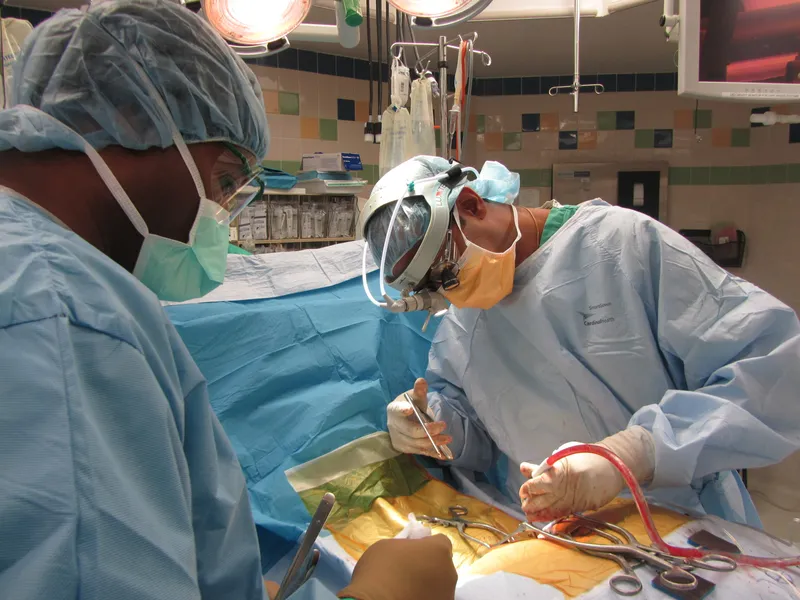
If you’ve been told you may need spine surgery, one of your biggest concerns is likely the use of general anesthesia. Many patients worry about being completely unconscious, experiencing a lengthy recovery, or dealing with side effects after surgery.
Fortunately, advances in minimally invasive spine surgery have introduced a safer option for many patients: Awake Spine Surgery, also known as Awake Spinal Fusion. This innovative approach allows carefully selected patients to undergo spinal procedures using local anesthesia and mild sedation rather than general anesthesia.
In this guide, we’ll explain how awake spine surgery works, its benefits, who qualifies, and why more patients are choosing this modern approach to treating chronic back and neck pain.
What Is Awake Spine Surgery?
Awake spine surgery is a minimally invasive technique performed while the patient remains comfortable under local anesthesia and conscious sedation. Instead of being fully asleep, patients are relaxed, pain-free, and able to breathe on their own throughout the procedure.
Because patients avoid general anesthesia, many experience a smoother recovery and fewer anesthesia-related complications.
Awake spinal fusion combines this approach with advanced minimally invasive techniques to stabilize the spine while preserving as much healthy tissue as possible.
How Does Awake Spinal Fusion Work?
During the procedure:
- Local anesthetic numbs the surgical area.
- Mild IV sedation helps the patient remain calm and comfortable.
- Small incisions minimize muscle damage.
- Specialized surgical instruments allow precise treatment.
- Advanced imaging guides the surgeon throughout the operation.
Patients typically do not remember much of the surgery due to the sedative medication, even though they are technically awake.
Benefits of Awake Spine Surgery
- Avoids General Anesthesia
One of the biggest advantages is eliminating the need for general anesthesia.
This reduces the risk of:
- Nausea and vomiting
- Sore throat from breathing tubes
- Confusion after surgery
- Longer recovery from anesthesia
- Respiratory complications
This benefit is especially valuable for older adults and patients with certain medical conditions.
- Faster Recovery
Because patients recover more quickly from sedation than general anesthesia, they often experience:
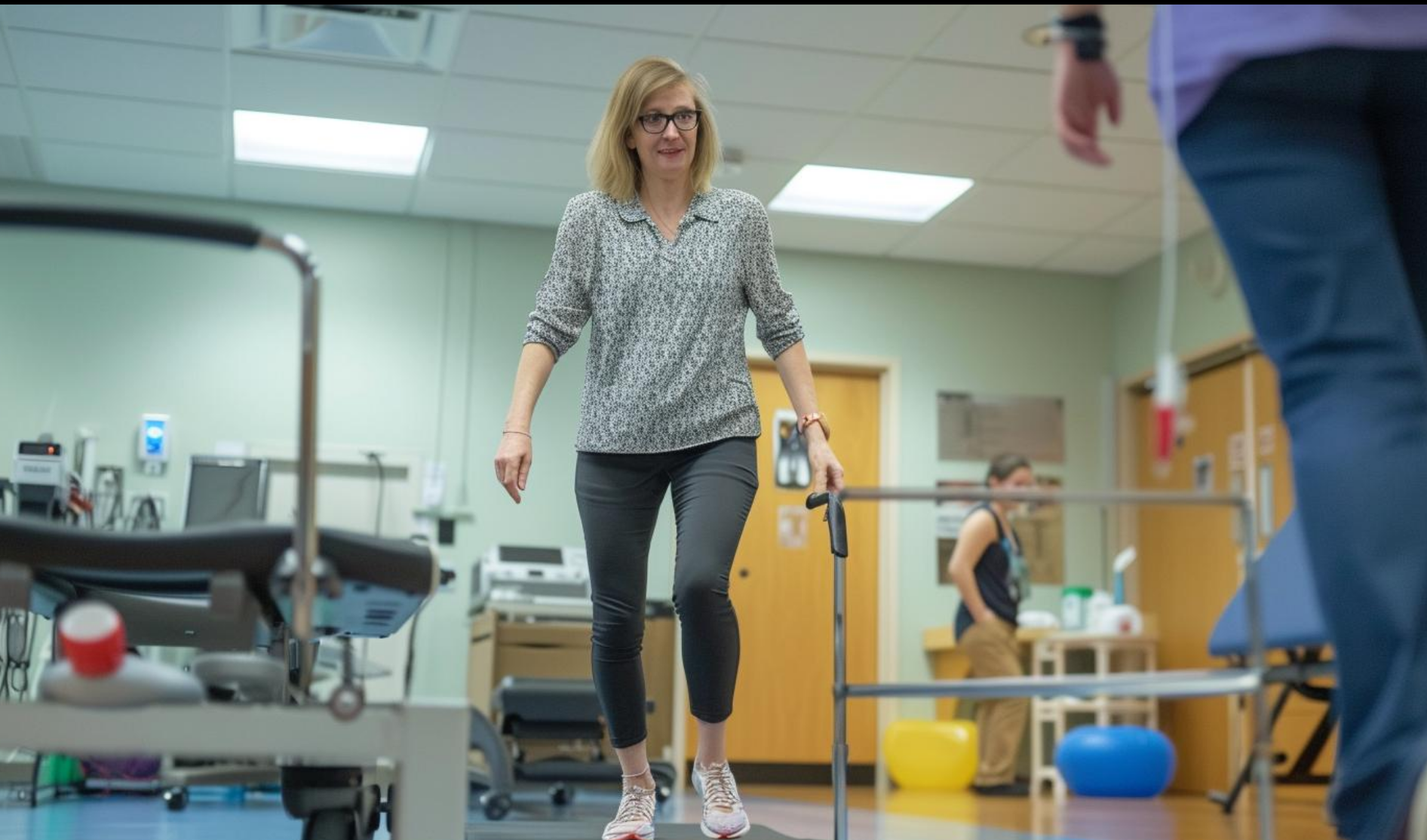
- Earlier walking
- Shorter recovery room stays
- Less grogginess
- Faster return to normal activities
Many patients are surprised at how quickly they are able to stand and move after surgery.
- Less Muscle Damage
Traditional spine surgery often requires larger incisions and significant muscle dissection.
Awake minimally invasive procedures use:
- Smaller incisions
- Less tissue disruption
- Reduced blood loss
- Less postoperative pain
This contributes to a smoother healing process.
- Reduced Hospital Stay
Many awake spine procedures can be performed as outpatient surgeries or require only a short hospital stay.
Benefits include:
- Lower hospital costs
- Reduced risk of hospital-acquired infections
- Greater comfort recovering at home
- Lower Risk of Complications
Because awake procedures are less invasive and avoid general anesthesia, many patients experience fewer complications such as:
- Blood clots
- Lung complications
- Excessive bleeding
- Delayed recovery
Every patient is different, but minimally invasive techniques generally support a safer surgical experience for appropriate candidates.
- Better Pain Control
Modern pain management techniques used during awake surgery help reduce postoperative discomfort.
Patients often require fewer opioid medications, allowing for a more comfortable recovery with fewer medication-related side effects.
Who Is a Candidate for Awake Spine Surgery?
Awake spine surgery may be appropriate for patients with conditions such as:
- Herniated discs
- Lumbar spinal stenosis
- Degenerative disc disease
- Spondylolisthesis
- Chronic lower back pain
- Certain spinal instability conditions requiring fusion
A spine specialist will evaluate:
- Your medical history
- MRI and imaging results
- Overall health
- Surgical goals
- Severity of your condition
Not every patient is a candidate, so a personalized evaluation is essential.
Conditions Commonly Treated
Awake spinal fusion may help treat:
- Chronic lumbar pain
- Nerve compression
- Sciatica
- Degenerative spine conditions
- Spinal instability
- Recurrent disc problems
The exact procedure depends on the diagnosis and individual anatomy.
What to Expect on Surgery Day
Patients generally experience the following:
- Preoperative evaluation
- IV sedation begins
- Local anesthetic numbs the surgical area
- Minimally invasive surgery is performed
- Recovery room monitoring
- Walking begins shortly afterward
- Discharge home or brief overnight observation
Many patients are pleasantly surprised by how comfortable the experience can be.
Recovery After Awake Spinal Fusion
Recovery varies depending on the procedure and the individual patient.
Most patients receive instructions that include:
- Walking several times daily
- Gradually increasing activity
- Avoiding heavy lifting initially
- Following physical therapy recommendations if prescribed
- Attending follow-up appointments
A successful recovery also depends on maintaining good posture, proper nutrition, and following your surgeon’s recommendations.
Is Awake Spine Surgery Safe?
For appropriately selected patients, awake spine surgery has demonstrated excellent safety outcomes when performed by experienced spine surgeons.
The procedure combines:
- Modern anesthesia techniques
- Advanced imaging technology
- Minimally invasive surgical methods
- Careful patient selection
These advancements have made awake spinal procedures an increasingly popular option for many individuals seeking relief from chronic spinal conditions.
Questions to Ask Your Spine Surgeon
Before deciding on surgery, consider asking:
- Am I a candidate for awake spine surgery?
- Would awake spinal fusion benefit my condition?
- What type of recovery should I expect?
- How long before I can return to work?
- What are the risks and benefits for my specific diagnosis?
Having a detailed discussion helps ensure you make an informed decision.
Final Thoughts
Awake spine surgery represents a significant advancement in spinal care. By avoiding general anesthesia and using minimally invasive techniques, many patients experience faster recovery, less postoperative discomfort, and shorter hospital stays.
While not everyone is a candidate, this innovative approach has helped many individuals safely return to daily life with improved mobility and reduced pain. If you’ve been considering spine surgery, discussing awake spinal fusion with an experienced spine specialist may help you determine whether it’s the right option for your condition.
Frequently Asked Questions
Is awake spine surgery painful?
No. Local anesthesia numbs the surgical area, while sedation helps patients remain relaxed and comfortable throughout the procedure.
Will I be fully awake during surgery?
Most patients are comfortably sedated and remember very little about the procedure.
Who qualifies for awake spinal fusion?
Eligibility depends on your spinal condition, overall health, imaging results, and the type of surgery required. A spine surgeon will determine if you are a suitable candidate.
Is recovery faster than traditional spine surgery?
Many patients recover more quickly because they avoid general anesthesia and benefit from minimally invasive surgical techniques.
Can older adults have awake spine surgery?
Many older adults may benefit from awake spine surgery, particularly if avoiding general anesthesia is advantageous. However, candidacy should always be determined by a spine specialist.
How long does awake spine surgery take?
The duration varies depending on the complexity of the procedure but is often similar to other minimally invasive spine surgeries.
Contact Awake Spinal Fusion Today
If you’re experiencing chronic back pain, spinal instability, or nerve compression, learn whether Awake Spinal Fusion may be the right treatment option for you.
📞 Call: 732-898-3950
Schedule a consultation today and speak with an experienced spine specialist about personalized treatment options designed to help you return to an active, pain-free life.


