

Awake spine surgery combines modern anesthesia techniques with minimally invasive surgical approaches for certain spine conditions.
If you have been told that spine surgery may be an option for persistent back or leg symptoms, you may assume that every procedure requires general anesthesia and a lengthy hospital recovery. Today, however, selected patients may have another option: awake spine surgery.
Instead of relying on general anesthesia for the entire operation, the medical team may use spinal or regional anesthesia along with carefully managed sedation. Despite the name, patients do not necessarily remain completely alert throughout the operation.
Traditional spine surgery performed under general anesthesia remains an essential and appropriate option for many conditions, particularly when an operation is complex, extensive, or expected to take longer.
So, awake vs. traditional spine surgery—which may be right for you?
There is no single answer. The best approach depends on your diagnosis, the location and complexity of the spinal problem, your overall health, previous procedures, and the operation your surgeon recommends.
Understanding the differences can help you have a more productive conversation with your spine specialist.
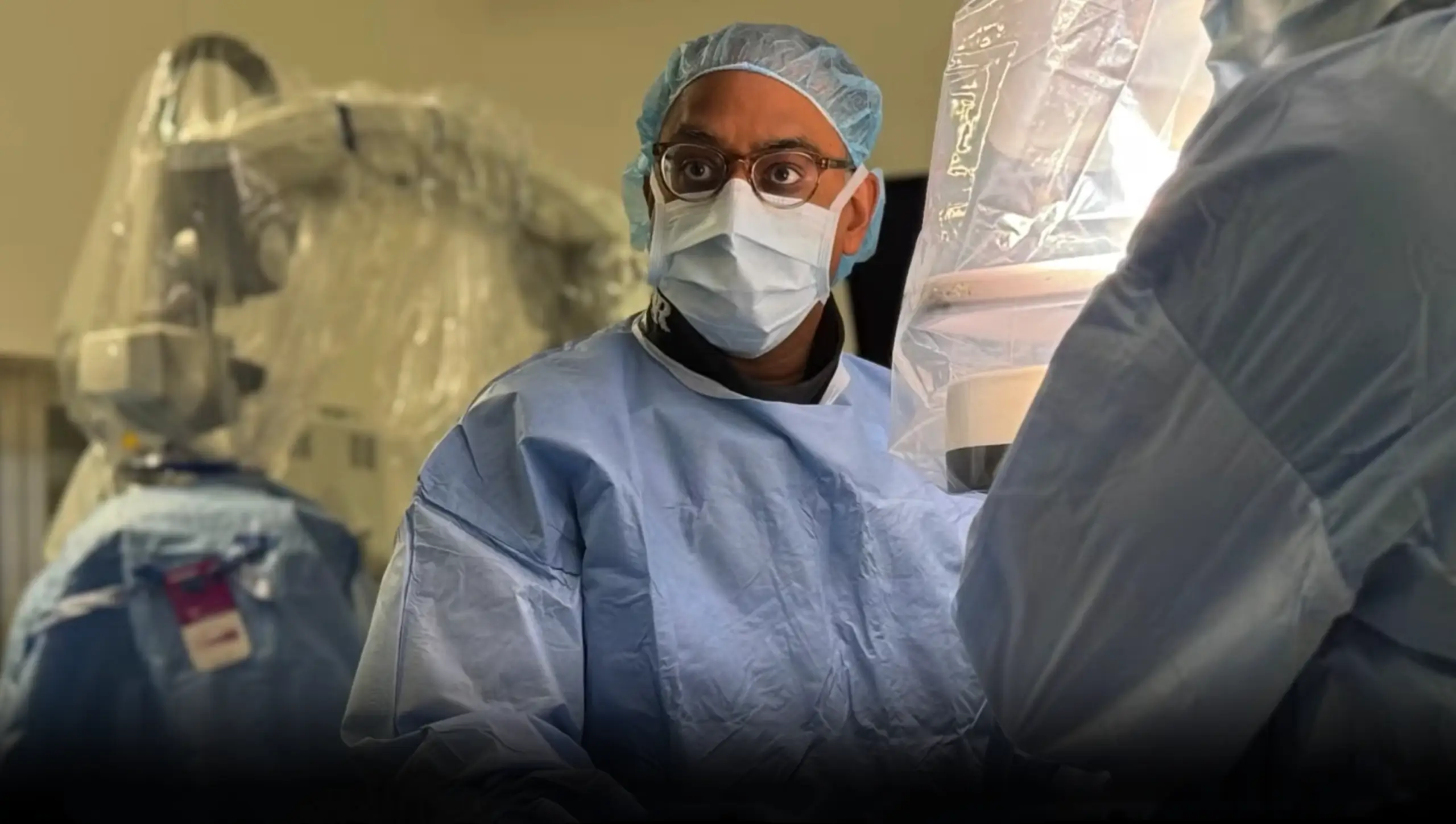
What Is Awake Spine Surgery?
Awake spine surgery is an approach in which certain spinal procedures are performed without traditional general anesthesia.
Typically, spinal or regional anesthesia is used to control sensation in the surgical area. Light or moderate sedation may also be used to help the patient remain comfortable and relaxed.
Awake techniques have been studied particularly in lumbar procedures such as selected decompressions and spinal fusions. They are often incorporated into minimally invasive and enhanced-recovery pathways.
The important word is selected.
Awake surgery is not designed to replace traditional spine surgery for every patient or every spinal condition. Careful patient and procedure selection is an important part of the approach.
What Is Traditional Spine Surgery?
For the purposes of this comparison, traditional spine surgery refers to procedures performed with general anesthesia.
The patient is fully unconscious during the operation, while the anesthesia team manages breathing, medications, vital signs, and other aspects of care.
General anesthesia is widely used across spine surgery and allows surgeons to perform procedures ranging from relatively straightforward operations to extensive reconstruction.
It may be particularly appropriate when an operation is expected to be lengthy or complex, involves multiple spinal levels, or requires an approach that is not well suited to regional anesthesia.
Awake vs. Traditional Spine Surgery: Difference Chart
| Factor | Awake Spine Surgery | Traditional Surgery With General Anesthesia |
| Anesthesia approach | Usually spinal/regional anesthesia with carefully managed sedation | General anesthesia |
| Patient awareness | Patient may be relaxed or lightly sedated rather than fully unconscious | Patient is unconscious during surgery |
| Common applications | Selected procedures, particularly certain lumbar operations | Broad range of simple and complex spine procedures |
| Surgical approach | Frequently paired with minimally invasive techniques | May be minimally invasive or open, depending on the operation |
| Recovery from anesthesia | May avoid some effects associated with general anesthesia | Requires recovery from general anesthesia |
| Hospital stay | Some studies report shorter stays in appropriately selected patients | Depends heavily on the type and complexity of surgery |
| Postoperative nausea | Some comparative research reports lower rates | Can occur following general anesthesia |
| Patient selection | Requires careful screening | Appropriate for a much wider variety of operations |
| Complex procedures | Not suitable for every complex or extensive operation | Often preferred when surgery is extensive or lengthy |
| Best choice | Depends on diagnosis, procedure and individual health | Depends on diagnosis, procedure and individual health |
The comparison should not be interpreted as one method being universally “better.” Each approach has situations in which it may be more appropriate.
Potential Benefits of Awake Spine Surgery
- Avoiding General Anesthesia in Selected Cases
One of the fundamental differences is the anesthesia technique.
For an appropriate patient undergoing a suitable procedure, awake surgery may allow the operation to be completed using spinal/regional anesthesia and sedation rather than general anesthesia.
This can be particularly relevant when the surgical and anesthesia teams believe avoiding general anesthesia may support the patient’s overall recovery plan.
- Potential for a Shorter Hospital Stay
One goal of modern minimally invasive spine care is to help appropriate patients mobilize and recover efficiently.
Research comparing spinal anesthesia with general anesthesia in spine procedures has reported shorter hospital stays among awake-surgery groups in some studies.
However, recovery is influenced by much more than anesthesia. Age, general health, diagnosis, surgical complexity and the specific procedure all matter.
- Potentially Shorter Procedure and Anesthesia Times
Comparative studies have also reported shorter operative or anesthesia times for selected lumbar operations performed using spinal anesthesia.
This does not mean every awake procedure will be shorter.
A complex operation remains complex regardless of the anesthesia technique. The potential efficiency advantages apply mainly when patients and procedures are appropriately selected.
- Reduced Postoperative Nausea in Some Patients
Nausea can occur after surgery for several reasons, including medications and anesthesia.
Some studies comparing spinal anesthesia with general anesthesia have reported lower rates of postoperative nausea and vomiting in the spinal-anesthesia groups.
This can contribute to a more comfortable early recovery for some patients.
- Integration With Minimally Invasive Spine Care
Awake surgery is frequently discussed alongside minimally invasive techniques and enhanced-recovery protocols.
Minimally invasive approaches are designed to accomplish the surgical objective while limiting unnecessary disruption of surrounding tissues where possible.
However, awake surgery and minimally invasive surgery are not the same thing.
“Awake” primarily describes the anesthesia strategy, while “minimally invasive” describes the surgical approach.
Why Is Traditional Spine Surgery Still Important?
The development of awake techniques does not make traditional surgery outdated.
General anesthesia remains highly important in modern spine surgery.
Some spinal conditions require longer, more complicated, or multilevel operations. Other procedures may require surgical positioning or circumstances in which general anesthesia provides the medical team with greater control.
Traditional surgery may therefore be recommended when the surgeon needs to:
- Address complex spinal problems
- Operate across multiple levels
- Perform extensive reconstruction
- Complete a lengthy procedure
- Treat conditions unsuitable for an awake protocol
- Manage a situation in which general anesthesia is considered the safer or more practical choice
The objective should never be to choose a technique simply because it sounds newer. The objective is to choose an approach appropriate for the patient’s condition.
Who May Be Considered for Awake Spine Surgery?
Patient selection is one of the most important aspects of awake spine surgery.
Research into awake lumbar surgery has emphasized factors such as the number of spinal levels being treated, the severity of the condition, previous procedures, patient comfort, overall health and the expected complexity of surgery.
An appropriate candidate may be someone who:
- Has a condition that can be addressed with a suitable minimally invasive procedure
- Requires treatment involving a limited number of spinal levels
- Is medically appropriate for spinal/regional anesthesia
- Can comfortably tolerate the planned surgical and anesthesia approach
- Has realistic expectations about surgery and recovery
These are general considerations rather than qualification rules.
A spine surgeon and anesthesia specialist must evaluate the individual patient.
When Might Awake Surgery Not Be Appropriate?
Awake surgery has limitations.
A patient may require general anesthesia because of the complexity or expected duration of the operation. Certain medical conditions, anatomical considerations, previous surgeries, or the extent of spinal disease may also influence whether an awake approach is appropriate.
Patient comfort matters as well.
Someone who is extremely uncomfortable with the idea of an awake protocol should discuss those concerns openly with the medical team.
Choosing an anesthesia approach should be a medical decision based on safety, procedure requirements and patient needs—not simply a preference for the newest option.
Does Awake Spine Surgery Mean You Feel the Procedure?
This is one of the most common concerns.
The purpose of spinal or regional anesthesia is to prevent sensation from the surgical region while sedation can help the patient remain comfortable and relaxed.
Anesthesia specialists monitor patients throughout the operation and adjust medications according to the planned protocol and individual response.
The exact experience can vary, which is why patients should ask their anesthesia team what they can expect before surgery.
Is Recovery Faster After Awake Spine Surgery?
Possibly, for some appropriately selected patients.
Studies comparing spinal and general anesthesia in lumbar surgery have reported advantages including shorter hospital stays and, in some analyses, shorter operative times and reduced postoperative medication requirements.
However, recovery should never be predicted from anesthesia alone.
Your recovery may depend on:
- The spinal condition being treated
- Type of surgery
- Number of spinal levels involved
- Age and general health
- Physical condition before surgery
- Previous spine procedures
- Postoperative rehabilitation
- Following activity and wound-care instructions
Two patients having similarly named procedures can have very different recovery experiences.
Tips for Patients Comparing Awake and Traditional Surgery
Ask What Procedure You Actually Need
Start with the diagnosis rather than the anesthesia.
Ask your surgeon exactly what is causing your symptoms and what surgical procedure would address the problem.
Ask Whether You Are a Candidate for an Awake Approach
Not everyone is.
If awake surgery interests you, ask whether your diagnosis, anatomy and overall health make it a reasonable option.
Understand the Anesthesia Plan
Ask what type of spinal or regional anesthesia and sedation would be used, what you might experience during the procedure, and what happens if the planned anesthesia is not sufficient.
Discuss Your Medical History
Tell your surgical team about previous procedures, medications, allergies and medical conditions.
The anesthesia team needs an accurate medical history when planning your care.
Compare Recovery Expectations
Rather than simply asking, “Which surgery has faster recovery?” ask:
“What recovery should I realistically expect with each option for my specific condition?”
That produces a much more useful answer.
Ask About the Surgeon’s Experience
Awake spine surgery requires coordination among the surgeon, anesthesia team and operating-room staff.
Ask how the approach fits into the surgical team’s usual practice and why they believe it is appropriate for you.
Common Patient Queries and Answers
Is awake spine surgery safer than traditional spine surgery?
It should not be described as universally safer. Comparative research suggests potential benefits of spinal anesthesia for selected lumbar procedures, but results vary across studies. The safest approach depends on the patient, condition, operation and anesthesia requirements.
Can spinal fusion be performed using an awake approach?
Selected minimally invasive lumbar fusion procedures have been performed using awake protocols. However, not every fusion is appropriate for this technique. Complex and extensive fusion procedures may require general anesthesia.
Will I be completely awake during awake spine surgery?
Not necessarily. “Awake” can be a confusing term. Patients may receive sedation in addition to spinal or regional anesthesia and may be very relaxed during the operation.
Can awake surgery be used for every back condition?
No. Current evidence and clinical use are concentrated on selected procedures, particularly certain lumbar operations. The diagnosis and required surgical treatment determine whether the approach is feasible.
Does awake spine surgery eliminate all surgical risks?
No. Every surgical procedure and anesthesia technique carries potential risks. Your surgeon and anesthesia specialist should explain the risks and benefits relevant to your individual situation.
Frequently Asked Questions
How long does awake spine surgery take?
The duration varies according to the procedure and individual case. Some studies have found shorter operative times with spinal anesthesia in selected lumbar procedures, but this should not be treated as a guaranteed outcome.
Can older patients have awake spine surgery?
Age alone does not determine eligibility. Overall health, medical history, spinal condition, procedure complexity and anesthesia considerations are more important. Some published case series have specifically explored spinal anesthesia in older and medically complex patients.
Is awake spine surgery minimally invasive?
Many awake spine procedures use minimally invasive techniques, but the terms describe different aspects of care. Awake surgery refers primarily to the anesthesia strategy; minimally invasive surgery refers to how the surgeon accesses and treats the spine.
Can I go home sooner after awake spine surgery?
Some research has reported shorter hospital stays for patients receiving spinal anesthesia compared with general anesthesia. Whether you can leave the same day or need hospitalization depends on your procedure, health and postoperative condition.
What if the awake anesthesia approach does not work as planned?
The anesthesia and surgical teams prepare for different possibilities. In published awake-surgery programs, conversion to general anesthesia has occasionally been necessary. Ask your medical team about their backup plan before your procedure.
How do I know which approach is right for me?
A complete evaluation is essential. Your spine specialist should review your symptoms, imaging, diagnosis, medical history and treatment goals before recommending an operation or anesthesia strategy.
Final Thoughts: Awake or Traditional Spine Surgery?
The decision between awake and traditional spine surgery should not be based on which approach sounds more advanced.
Awake spine surgery represents an important development in modern spine care and may provide meaningful advantages for appropriately selected patients undergoing certain procedures. Current research suggests potential benefits such as shorter hospital stays, reduced postoperative nausea and shorter operative times in some lumbar-surgery populations.
Traditional surgery under general anesthesia remains an essential option, especially for patients requiring extensive, complex, multilevel, or longer procedures.
The most important question is therefore not:
“Which type of spine surgery is better?”
It is:
“Which approach provides the right balance of safety, effectiveness and recovery for my specific condition?”
Discussing both options with an experienced spine surgeon can help you understand what is technically possible and what makes the most sense for your individual needs.


