
Sciatica can make even simple daily activities feel challenging. Whether you’re struggling to sit comfortably, drive to work, walk long distances, or sleep through the night, sciatic nerve pain can significantly impact your quality of life.
Many patients searching for Sciatica Treatment in NJ are not simply looking for a definition of sciatica—they want answers. They want to know whether their condition can heal without surgery, what treatments actually work, how long recovery takes, and when they should see a specialist.
This guide answers the most common questions patients ask when researching sciatica treatment options in New Jersey.
How Do I Know If My Leg Pain Is Actually Sciatica?
Many patients assume any pain in the leg is sciatica, but that’s not always the case.
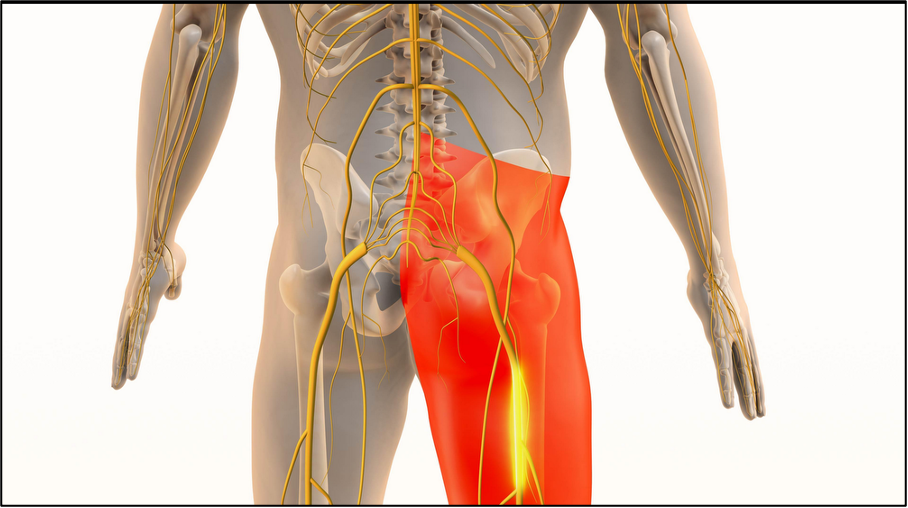
Sciatica typically causes pain that starts in the lower back or buttock and travels down one leg. The discomfort may feel like:
- Burning pain
- Sharp shooting pain
- Tingling sensations
- Numbness
- Weakness in the leg or foot
- Electric shock-like sensations
The symptoms usually follow the path of the sciatic nerve, which runs from the lower spine through the hips and down each leg.
A proper evaluation by a spine specialist is essential because similar symptoms can also be caused by hip problems, peripheral nerve conditions, or other spinal disorders.
Can Sciatica Go Away Without Surgery?
One of the most common questions patients ask is whether surgery can be avoided.
The answer is yes—in many cases.
Most patients improve with conservative treatment options such as:
- Activity modification
- Physical therapy
- Targeted exercises
- Anti-inflammatory medications
- Lifestyle adjustments
- Image-guided injections
However, the success of non-surgical treatment depends on identifying the actual source of nerve compression.
When symptoms persist despite conservative care or neurological symptoms worsen, more advanced treatment options may be recommended.
What Are the Most Effective Non-Surgical Treatments for Sciatica?
Patients often spend months trying home remedies before seeking professional care.
The most effective non-surgical approaches typically include:
Physical Therapy
A customized rehabilitation program can improve spinal stability, flexibility, and posture while reducing pressure on irritated nerves.
Epidural Steroid Injections
These injections can reduce inflammation around the affected nerve root and provide significant symptom relief for many patients.
Activity Modification
Certain movements and activities may worsen symptoms. Learning how to move correctly can help accelerate recovery.
Core Strengthening Programs
Improving abdominal and spinal support muscles often helps reduce recurring episodes of sciatica.
Lifestyle Changes
Weight management, proper ergonomics, and regular movement can play an important role in long-term relief.
An experienced spine specialist can determine which combination of treatments is most likely to produce lasting results.
How Long Does It Take to Recover From Sciatica?
Recovery times vary significantly depending on the severity of nerve irritation and the underlying spinal condition.
Some patients experience improvement within a few weeks, while others may require several months of treatment.
Factors that influence recovery include:
- Duration of symptoms
- Severity of nerve compression
- Overall health
- Activity level
- Adherence to treatment recommendations
- Presence of spinal degeneration
Early diagnosis often leads to better outcomes and faster recovery.
When Should I See a Spine Specialist for Sciatica?
Many patients wait too long before seeking specialized care.
You should consider seeing a spine specialist if:
- Pain persists for several weeks
- Symptoms interfere with work or daily activities
- Numbness continues to worsen
- Weakness develops in the leg or foot
- Walking becomes difficult
- Conservative treatments have failed
Prompt evaluation can help prevent long-term nerve damage and improve treatment outcomes.
Can Sciatica Cause Permanent Nerve Damage?
In some cases, yes.
Prolonged nerve compression may lead to permanent neurological deficits if left untreated.
Warning signs that require immediate medical attention include:
- Progressive weakness
- Loss of bladder control
- Loss of bowel control
- Severe numbness
- Difficulty standing or walking
These symptoms may indicate a more serious spinal condition that requires urgent evaluation.
What Imaging Tests Are Used to Diagnose Sciatica?
Patients frequently ask whether an MRI is necessary.
The answer depends on individual symptoms and clinical findings.
A spine specialist may recommend:
MRI
Often considered the gold standard for evaluating nerve compression, disc problems, and spinal structures.
X-Rays
Useful for assessing spinal alignment and structural changes.
CT Scans
Sometimes used when MRI is not appropriate.
Nerve Testing
Electromyography (EMG) and nerve conduction studies may help identify nerve dysfunction.
The goal of imaging is not simply to find abnormalities but to identify the exact source of symptoms.
Are Minimally Invasive Procedures Available for Sciatica?
Yes.
Modern spine care has advanced significantly over the last decade.
Many patients who previously required traditional open surgery may now qualify for minimally invasive procedures that offer:
- Smaller incisions
- Less tissue disruption
- Reduced postoperative pain
- Faster recovery
- Shorter downtime
The appropriate treatment depends on the underlying cause of nerve compression and individual patient factors.
A comprehensive evaluation can determine whether minimally invasive treatment options are suitable.
Why Does Sciatica Keep Coming Back?
Recurring sciatica is a common concern.
Many patients experience temporary relief only to see symptoms return months later.
Recurring symptoms may result from:
- Incomplete rehabilitation
- Poor posture
- Weak core muscles
- Ongoing spinal degeneration
- Repetitive stress
- Untreated structural problems
Long-term success requires addressing the root cause rather than simply masking symptoms.
A personalized treatment plan can help reduce the risk of future flare-ups.
What Questions Should I Ask During My Sciatica Consultation?
Patients often feel overwhelmed during medical appointments.
Consider asking:
- What is causing my sciatic nerve pain?
- Is my condition likely to improve without surgery?
- Which treatments are most appropriate for me?
- How long should recovery take?
- What activities should I avoid?
- Am I a candidate for minimally invasive treatment?
- What can I do to prevent future episodes?
The more informed you are, the more confident you can feel about your treatment decisions.
Choosing the Right Sciatica Treatment Provider in NJ
Not all sciatica cases are the same.
Effective treatment starts with an accurate diagnosis and a personalized care plan tailored to your specific symptoms, goals, and lifestyle.
Whether your symptoms are mild or severe, early intervention can help improve outcomes, reduce pain, and prevent long-term complications.
If you are searching for Sciatica Treatment in NJ, working with an experienced spine specialist can help you identify the underlying cause of your symptoms and explore the most effective treatment options available today.
Before committing to any spine surgeon, it helps to understand exactly what to look for. Our complete patient guide on how to choose the best spine surgeon covers credentials, questions to ask, and warning signs to watch for.
Frequently Asked Questions (FAQs)
Can walking help sciatica?
In many cases, gentle walking can improve circulation and reduce stiffness. However, excessive walking during a severe flare-up may worsen symptoms.
Is bed rest recommended for sciatica?
Extended bed rest is generally not recommended. Controlled movement and guided rehabilitation are usually more beneficial.
Can sciatatica return after treatment?
Yes. Without addressing underlying causes and lifestyle factors, symptoms may recur.
Is surgery always necessary for severe sciatica?
No. Many patients achieve significant relief through non-surgical treatments. Surgery is generally considered when conservative measures fail or neurological symptoms worsen.
Can exercise make sciatica worse?
Certain exercises can aggravate symptoms if performed incorrectly. A customized physical therapy program is usually the safest approach.
What is the best treatment for chronic sciatica?
The best treatment depends on the underlying cause, symptom severity, and overall health. A comprehensive evaluation is essential for determining the most appropriate treatment plan.
Schedule Your Sciatica Evaluation Today

If persistent leg pain, numbness, tingling, or weakness is affecting your daily life, professional evaluation can help you find answers and relief.
Dr. Alok Sharan, MD specializes in advanced spine care and personalized treatment solutions for patients suffering from sciatic nerve pain and related spinal conditions.
📞 Call: 732-898-3950
Take the first step toward lasting relief and learn about your options for effective Sciatica Treatment in NJ today.


