When back or joint pain shows up, most people look for a specific injury to blame. Often, though, the story is more gradual. A year or two of moving less, a few extra pounds, and a body that no longer feels like it used to can quietly add up to stiffness and aches in the back, hips, and knees. So can being less active or gaining weight affect your spine? Yes, and the encouraging part is that the same habits that help can be started today.
How Extra Weight and Inactivity Affect the Spine
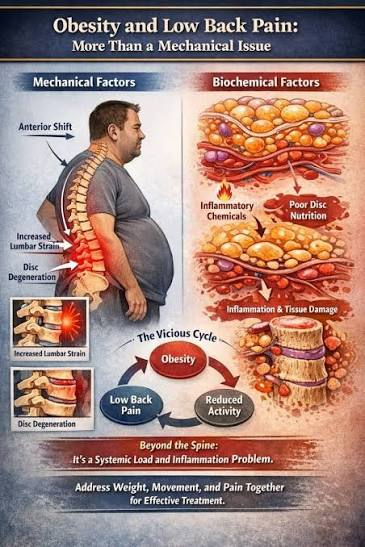
Your spine, hips, and knees work as a team, and every step, stair, and stand-up passes load through them. Extra body weight places more load on those joints. At the same time, the muscles of the back and core have to work harder to keep you upright and balanced. When activity drops, those muscles become deconditioned, meaning they get weaker and tire more easily. Weaker muscles support the spine less well, so the discs and joints take on more of the stress. Pain, stiffness, and a sense that your back is “tight” all the time are common results.
It can also become a cycle. Pain makes movement less appealing, less movement weakens the muscles further, and weaker muscles make pain more likely.
The Same Steps Help Your Back, Hips, and Knees
The good news is that this works in the other direction too. Returning to regular walking, strengthening, and healthy weight management often helps the spine, the hips, and the knees at the same time. You are not treating three separate problems. You are supporting the whole chain of joints that carries you through the day.
- Walking. Gentle, regular walking keeps the spine and hips moving, builds endurance, and is easy on the joints. Start with a distance that feels comfortable and build slowly.
- Strengthening. Stronger core, back, hip, and leg muscles take pressure off the joints. A physical therapist can show you exercises matched to your body and your symptoms.
- Healthy weight management. Even modest, steady weight loss reduces the load on the spine and lower-body joints. Nutrition, sleep, and stress all play a role, and your primary care physician can help you build a realistic plan.
Small, Consistent Steps Beat Dramatic Changes
Small, consistent steps matter more than dramatic changes. Going from no exercise to an intense program overnight is a common way to end up sore or injured, and it is hard to keep up. What works better is a routine you can repeat:
- Begin with short walks, even 10 minutes, and add a few minutes each week.
- Pick two or three days a week for simple strengthening exercises.
- Take the stairs, park a little farther away, and stand up regularly if you sit for work.
- Set goals you can meet, and let progress build over weeks and months.
When to Have Your Back Checked
Aches from being out of shape usually improve as you get moving. But it is worth an evaluation if you have pain that is severe or getting worse, pain or numbness that travels down a leg or arm, weakness, or symptoms that do not improve after several weeks. Seek care right away for loss of bladder or bowel control or new leg weakness. A careful exam and, when needed, imaging help us separate simple deconditioning from a problem that needs its own treatment, and they help us tailor an activity plan that is safe for you.
Ready to get moving again with a plan that fits your spine? Call Spine and Performance Institute at 732-898-3950 to schedule a visit at 35-37 Progress St, Suite B5, Edison, NJ 08820.
This article is for general education and is not a substitute for personal medical advice. Talk with your physician before starting a new exercise or weight-loss program. If you are experiencing an emergency, call 911 or go to the nearest emergency room.


