
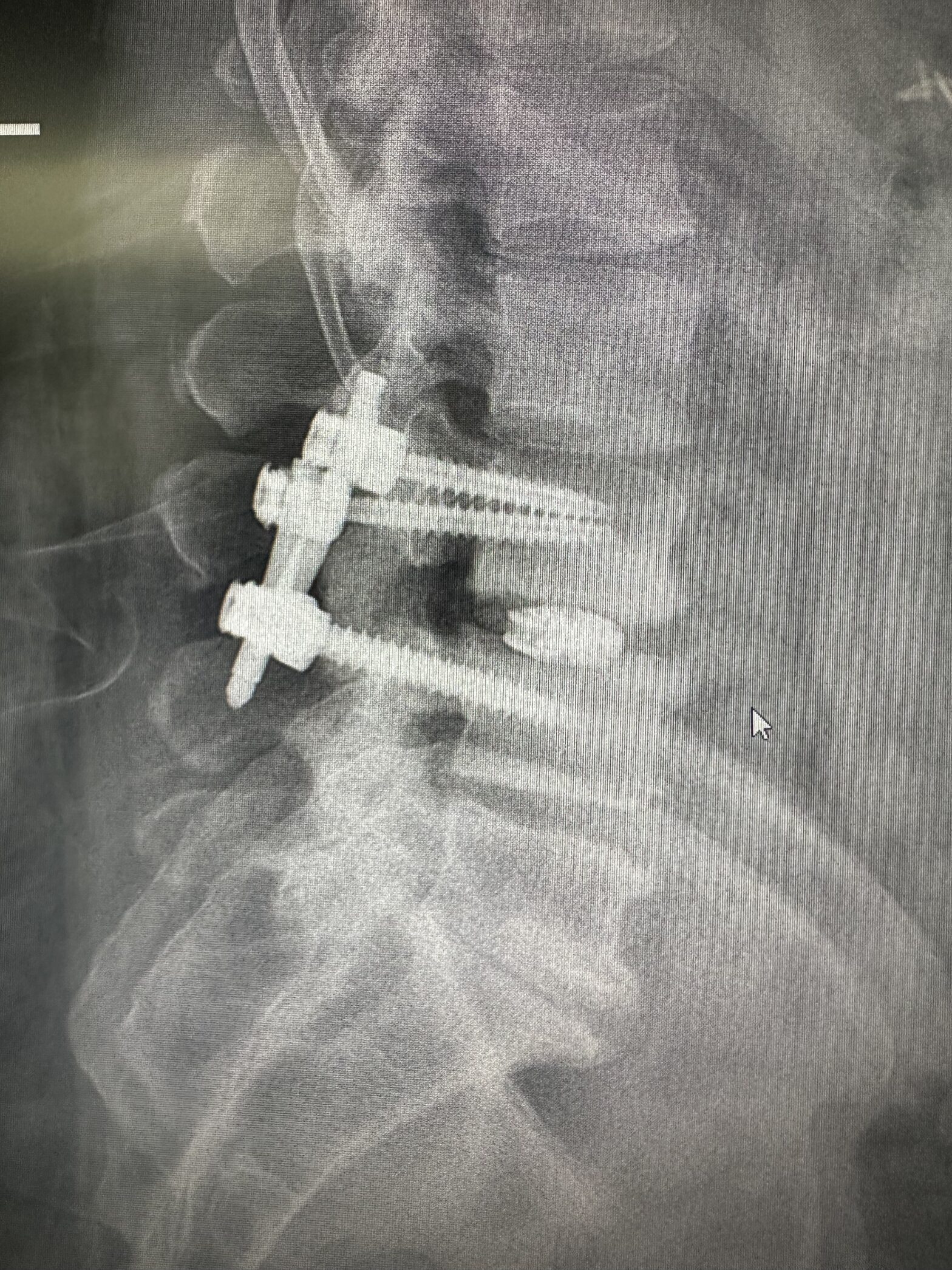
Spine Surgery Without General Anesthesia: A Safer Approach to Modern Spine Care
Spine surgery has traditionally required general anesthesia, meaning patients are fully unconscious and placed on a ventilator during the procedure. Today, advances in minimally invasive techniques and anesthesia allow certain spine procedures to be performed without general anesthesia.
This approach—often called awake spine surgery—uses local anesthesia and light sedation to keep patients comfortable while avoiding the physiologic stress associated with general anesthesia. For many patients, this can mean safer surgery, faster recovery, and fewer complications.
What Is Spine Surgery Without General Anesthesia?
Spine surgery without general anesthesia refers to procedures performed using:
- Local anesthesia to numb the surgical area
- Targeted nerve blocks to control pain
- Light IV sedation so the patient remains relaxed
Unlike general anesthesia, patients continue to breathe on their own and typically do not require a breathing tube.
Many patients remember little of the procedure because of the sedation, but they avoid the side effects commonly associated with general anesthesia such as grogginess, nausea, or prolonged recovery.
Why Avoid General Anesthesia for Spine Surgery?
General anesthesia is widely used and generally safe, but it places significant stress on the body. Avoiding it can reduce several risks, particularly for patients with underlying health conditions.
Benefits of avoiding general anesthesia may include:
- Lower risk of respiratory complications
- Less postoperative nausea and vomiting
- Reduced risk of delirium in older adults
- More stable blood pressure and heart function
- Faster recovery after surgery
For patients with conditions such as diabetes, heart disease, obesity, or sleep apnea, avoiding general anesthesia can be especially beneficial.
Common Procedures Performed Without General Anesthesia
Many minimally invasive spine surgeries can be performed safely using local anesthesia and sedation.
Common procedures include:
Lumbar Microdiscectomy
Removal of a herniated disc that is compressing a spinal nerve.
Lumbar Decompression
Surgery to relieve pressure on spinal nerves caused by spinal stenosis.
Minimally Invasive Spinal Fusion
Stabilization of the spine using small incisions and specialized surgical instruments.
Revision Spine Procedures
In select cases, repeat spine surgeries can also be performed using awake techniques.
Advances in surgical imaging, instrumentation, and anesthesia protocols have made these procedures increasingly effective without general anesthesia.
Advantages of Awake Spine Surgery
Faster Recovery
Patients often wake up immediately after the procedure and may walk within hours.
Many minimally invasive awake spine surgeries are performed in outpatient surgery centers, allowing patients to return home the same day.
Less Pain After Surgery
Targeted anesthesia and smaller incisions often lead to reduced postoperative pain, which can decrease the need for opioid medications.
Improved Safety
Because patients continue breathing naturally and receive fewer systemic medications, awake spine surgery may reduce anesthesia-related complications.
Real-Time Nerve Monitoring
In some procedures, surgeons can communicate with the patient during surgery, helping ensure spinal nerves are protected.
Who Is a Candidate for Spine Surgery Without General Anesthesia?
Patients with several common spine conditions may qualify, including:
- Herniated discs
- Lumbar spinal stenosis
- Degenerative disc disease
- Certain cases of spondylolisthesis
Patients who may benefit most include:
- Adults over age 60
- Patients with medical conditions that increase anesthesia risk
- Patients seeking minimally invasive outpatient spine surgery
A detailed consultation with a spine surgeon experienced in awake spine techniques is necessary to determine candidacy.
The Future of Minimally Invasive Spine Surgery
The field of spine surgery continues to move toward less invasive procedures with faster recovery times. Advances in surgical technology now allow surgeons to perform complex procedures through small incisions while minimizing tissue disruption.
As a result, more patients can undergo spine surgery without the need for general anesthesia and return to normal activities sooner.
For patients suffering from chronic back or leg pain caused by spinal conditions, this modern approach offers a promising path to relief.
Considering Spine Surgery?
If you are experiencing symptoms such as:
- Persistent back pain
- Leg pain or sciatica
- Numbness or weakness
- Difficulty walking due to spinal stenosis
you may benefit from an evaluation by a spine specialist experienced in minimally invasive spine surgery without general anesthesia.
A personalized treatment plan can help determine whether this approach is right for you.


