
ACDF
ACDF (Anterior Cervical Discectomy and Fusion) is a surgical procedure used to treat nerve compression in the cervical spine (neck) caused by conditions like herniated discs, spinal stenosis, or degenerative disc disease.
Here’s how it works:
Anterior approach: The surgeon accesses the spine from the front of the neck.
Discectomy: The damaged disc between two vertebrae is removed to relieve pressure on the spinal cord or nerves.
Fusion: A bone graft or spacer is placed in the disc space to maintain normal spacing and promote fusion. Plates and screws may be added for stability.
The goal of ACDF is to relieve neck and arm pain, numbness, and weakness, while restoring spinal alignment and stability. Fusion takes several weeks to months to fully occur.

Minimally invasive, effective treatments.
Frequently Asked Questions About ACDF Surgery
What is ACDF surgery?
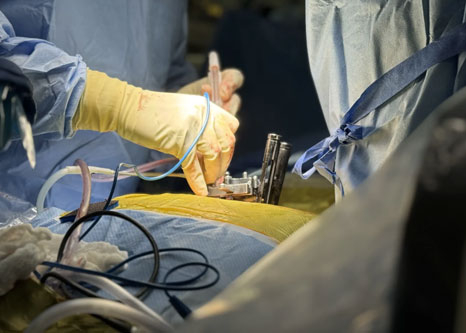
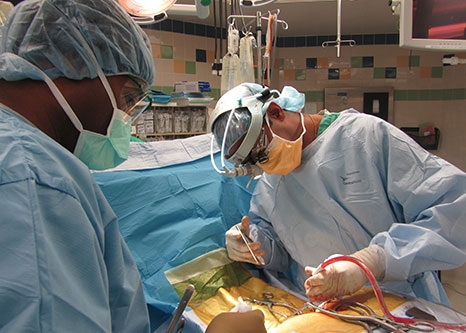
Anterior Cervical Discectomy and Fusion (ACDF) is a surgical procedure performed through a small incision in the front of the neck to remove a damaged or herniated cervical disc that is compressing spinal nerves. After removing the disc, the surgeon inserts a bone graft or cage between the vertebrae and secures them with a small metal plate, allowing the bones to fuse together over time. At Awake Spinal Fusion, Dr. Alok Sharan performs ACDF using regional anesthesia instead of general anesthesia, meaning patients remain awake during the procedure. This approach eliminates the risks associated with general anesthesia, including nausea, cognitive effects, and intubation complications. Most patients undergoing awake ACDF are discharged the same day and report significantly less postoperative pain compared to traditional approaches.
Can ACDF surgery be done without general anesthesia?
Yes. Dr. Alok Sharan at Awake Spinal Fusion in Edison, NJ is a pioneer of performing ACDF surgery under regional (spinal) anesthesia, allowing patients to remain conscious throughout the procedure. Regional anesthesia numbs the surgical area while the patient stays awake and comfortable. Published research by Dr. Sharan demonstrates that awake ACDF results in reduced postoperative opioid consumption, fewer anesthesia-related complications, and faster discharge times compared to traditional general anesthesia approaches. Patients typically report less nausea, less throat soreness from avoiding intubation, and greater alertness immediately after surgery. This technique is suitable for most patients who are candidates for standard ACDF surgery, though a thorough pre-operative evaluation determines eligibility on a case-by-case basis.
How long is recovery after ACDF surgery?
Recovery from ACDF surgery performed using the awake spine technique is typically faster than traditional approaches. Most patients at Awake Spinal Fusion are discharged the same day or the following morning. Patients can usually walk and perform light daily activities within 24 to 48 hours after surgery. Return to desk work is generally possible within one to two weeks, while more physically demanding occupations may require four to six weeks of recovery. Complete bone fusion between the vertebrae typically takes three to six months, during which patients follow a graduated activity protocol. Dr. Sharan provides personalized post-operative guidelines including specific exercises, activity restrictions, and follow-up appointments at two weeks, six weeks, and three months after surgery to monitor healing progress.
What conditions does ACDF treat?
ACDF surgery treats several cervical spine conditions that cause neck pain, arm pain, numbness, or weakness. The most common conditions include cervical herniated disc, where disc material presses on nearby nerve roots causing radiating arm pain (cervical radiculopathy); cervical spinal stenosis, a narrowing of the spinal canal in the neck that compresses the spinal cord; degenerative disc disease in the cervical spine, where worn discs cause chronic neck pain and stiffness; and cervical spondylosis, age-related wear of the spinal discs and joints. ACDF is typically recommended when conservative treatments such as physical therapy, anti-inflammatory medications, and epidural steroid injections have not provided adequate relief after six to twelve weeks. Dr. Sharan evaluates each patient with a comprehensive examination and MRI review to determine if ACDF is the appropriate treatment.
Is ACDF surgery safe?
ACDF is one of the most commonly performed and well-studied spine surgeries, with a high success rate for relieving nerve compression symptoms. When performed using the awake spine technique by Dr. Alok Sharan, the procedure carries an even more favorable safety profile because it eliminates risks associated with general anesthesia, including airway complications, adverse drug reactions, and postoperative cognitive dysfunction. The minimally invasive approach results in less blood loss, reduced infection risk, and shorter operative times. Published studies by Dr. Sharan and colleagues in peer-reviewed journals demonstrate that awake ACDF achieves equivalent or superior clinical outcomes compared to the traditional approach. As with any surgical procedure, potential risks include infection, bleeding, nerve injury, and hardware complications, which Dr. Sharan discusses thoroughly during the pre-operative consultation.


