
Reimagining Spinal Fusion From Beginning to End.
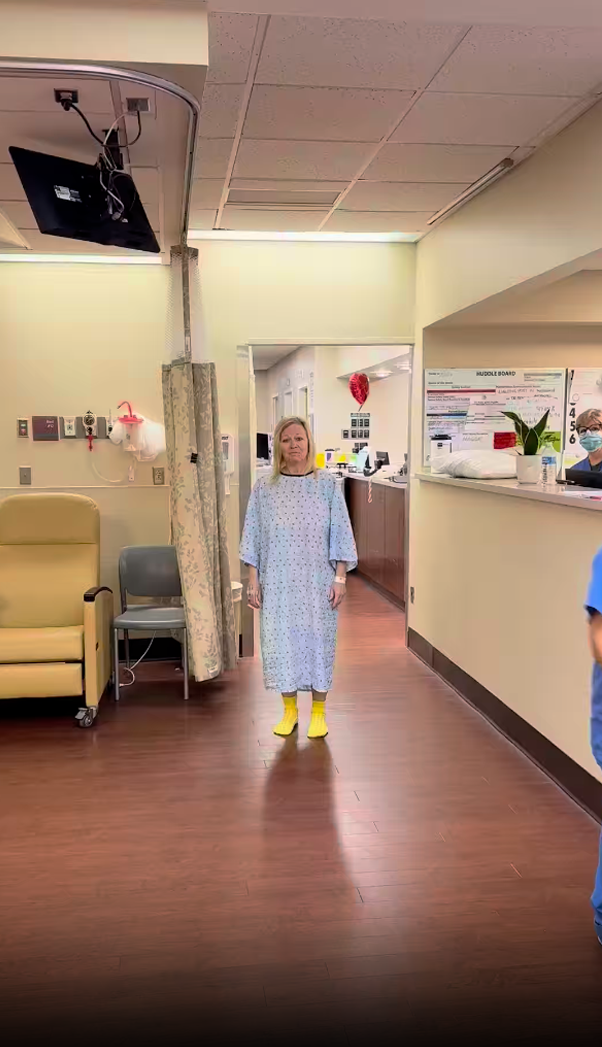
While traditional spinal fusion surgery is considered to be an extensive procedure, requiring general anesthesia and a hospital stay, Awake Spinal Fusion is a minimally invasive procedure. Instead of a lengthy hospital stay, you’re up and about in just a few hours.

Minimally Invasive
With Awake Spinal Fusion, we begin with a minimally invasive procedure.
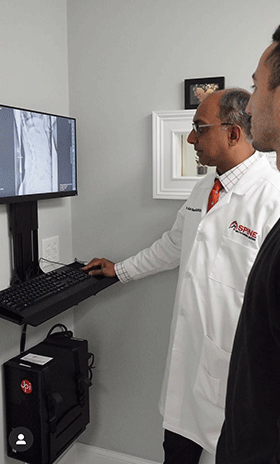
Minimally invasive spine surgery involves making a small incision (approximately one – two inches) in the skin. This means that the incision in your skin is considerably smaller than traditional spine surgery. The benefits of minimally invasive spine surgery are faster healing times, greatly reduced postoperative pain, less muscle injury, and a better cosmetic outcome compared to the traditional spinal fusion procedure.
Degenerative disc disease: As discs naturally wear out, bone spurs form and the facet joints inflame. The discs dry out and shrink, losing their flexibility and cushioning properties. The disc spaces get smaller. These changes lead to canal stenosis or disc herniation.




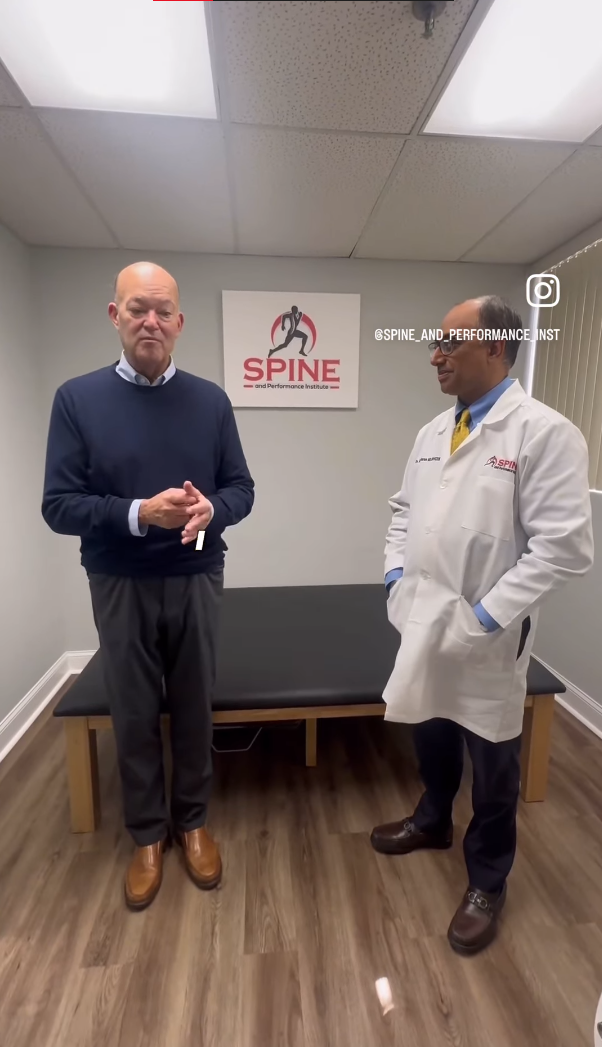
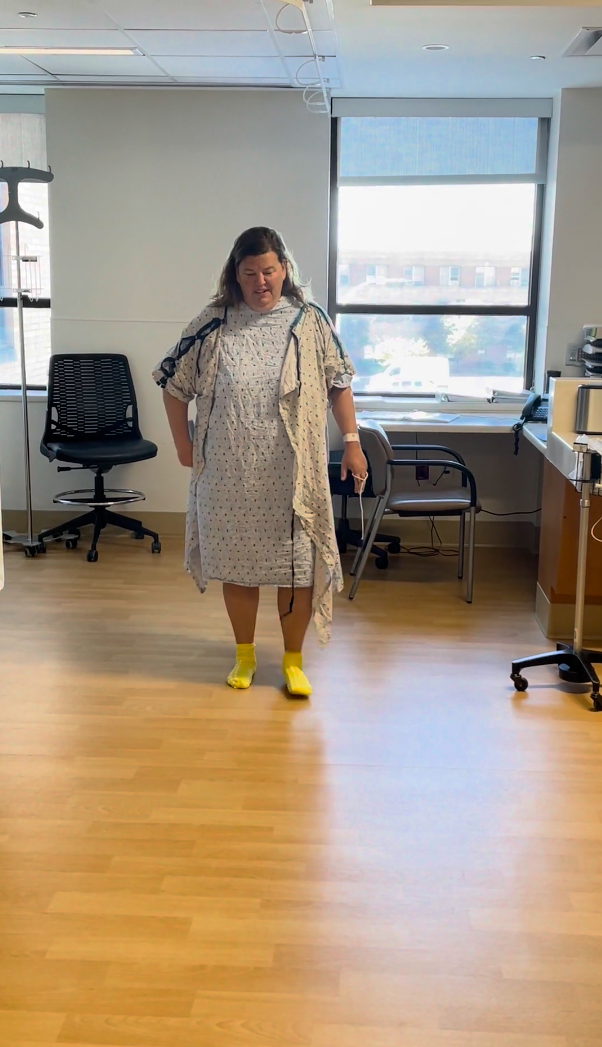
The Benefits
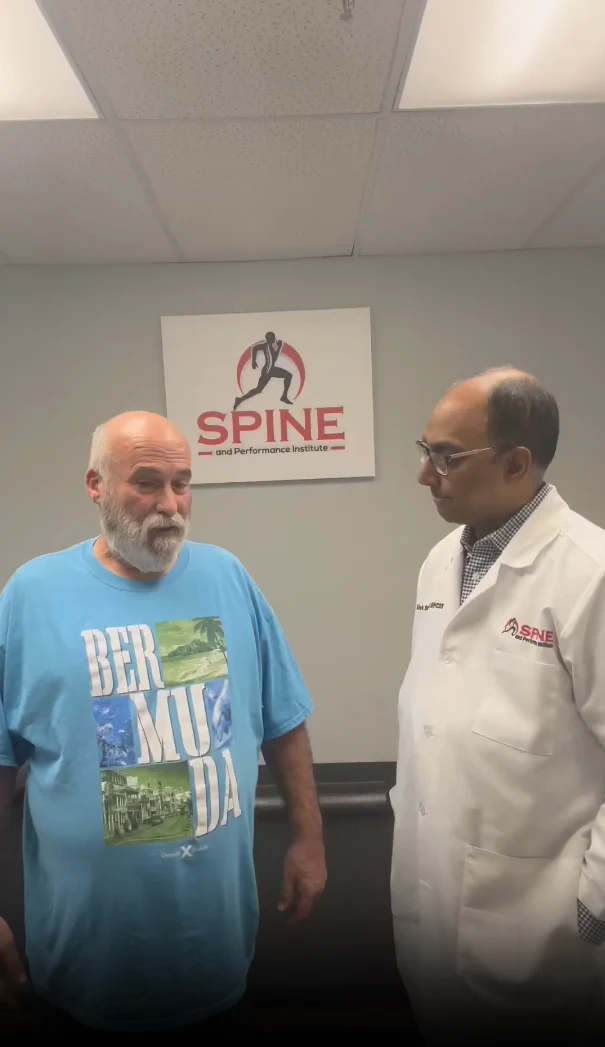
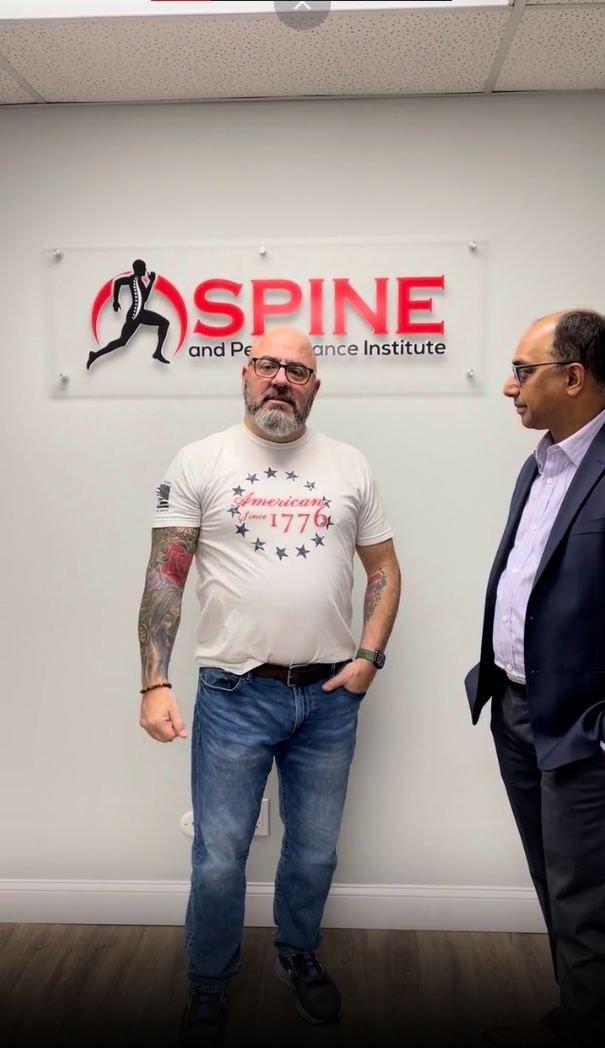
Since we don’t use general anesthesia, Awake Spinal Fusion eliminates a number of disadvantages associated with traditional spine surgery. With the Awake Spinal Fusion procedure, you’ll experience:

Download Your Free eBook!
Is Awake Spinal Fusion right for you? Download our eBook and find out.
Frequently Asked Questions About Awake Spinal Fusion
What is awake spinal fusion?
Awake spinal fusion is an advanced surgical technique in which spine fusion surgery is performed under regional (spinal) anesthesia instead of general anesthesia, allowing the patient to remain conscious throughout the procedure. Pioneered by Dr. Alok Sharan at the Spine and Performance Institute in Edison, NJ, this technique uses the same spinal anesthesia approach commonly used in cesarean sections to numb the lower body from the waist down. The patient feels no pain during surgery while remaining awake and able to communicate with the surgical team. Awake spinal fusion eliminates the risks associated with general anesthesia including intubation complications, postoperative nausea and vomiting, cognitive dysfunction, and adverse drug reactions. Published research demonstrates that awake spinal fusion results in reduced opioid consumption, faster discharge (often same-day), and equivalent surgical outcomes compared to traditional approaches.
Is awake spine surgery safe?
Yes. Awake spine surgery has been demonstrated to be safe through multiple peer-reviewed publications by Dr. Alok Sharan and colleagues. Regional anesthesia has been used safely for decades in orthopedic and obstetric procedures, and its application to spine surgery follows established anesthetic principles. The safety profile of awake spine surgery is actually enhanced compared to general anesthesia because it eliminates intubation risks, reduces the amount of systemic medications administered, allows real-time neurological monitoring through patient communication, and results in fewer respiratory complications. Dr. Sharan has performed hundreds of awake spine procedures and has published extensively on the technique in journals including Clinical Spine Surgery, Spine, and the European Spine Journal. Patients undergo thorough pre-operative screening to ensure they are appropriate candidates for the awake approach.
What are the benefits of awake spine surgery compared to traditional surgery?
Awake spine surgery offers several significant advantages over traditional spine surgery performed under general anesthesia. The primary benefits include elimination of general anesthesia risks such as intubation complications, postoperative nausea, and cognitive dysfunction; significantly reduced opioid consumption both during and after surgery, supporting opioid-sparing protocols; faster discharge with most patients going home the same day compared to multi-day hospital stays with traditional approaches; reduced overall healthcare costs due to shorter hospital stays and fewer anesthesia-related complications; real-time neurological monitoring because the patient can respond to commands during surgery, providing an additional safety measure; and faster return to normal activities with most patients resuming light activities within days. Dr. Sharan's published research in peer-reviewed journals consistently demonstrates these advantages across hundreds of awake spine procedures.
Am I a candidate for awake spine surgery?
Most patients who are candidates for traditional spine surgery are also candidates for the awake approach. During a comprehensive pre-operative evaluation, Dr. Alok Sharan assesses several factors to determine candidacy including the specific spinal condition and planned procedure, overall medical health and anesthesia risk factors, ability to lie comfortably in the surgical position for the duration of the procedure, body habitus and spinal anatomy as seen on imaging, and patient comfort level with the concept of remaining awake during surgery. Some conditions that may affect candidacy include severe anxiety disorders, certain spinal deformities that require prolonged surgical positioning, and specific medical conditions that contraindicate regional anesthesia. Dr. Sharan discusses all options during the initial consultation and helps each patient make an informed decision about the best anesthetic approach for their specific situation.


