
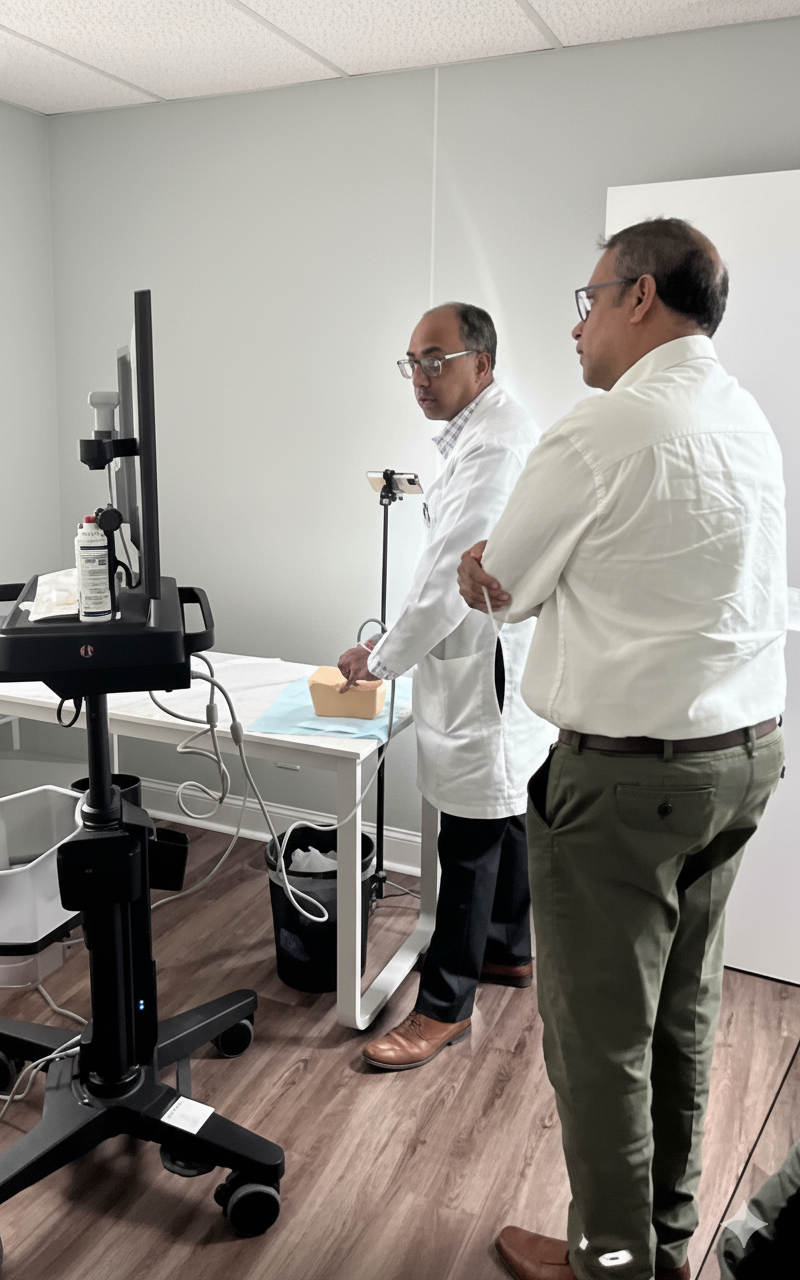
Spine surgery has advanced significantly over the last decade, giving patients more options for effective and comfortable treatment. Two of the most common approaches today are traditional spine surgery performed under general anaesthesia and awake spine surgery, which uses local or regional anaesthesia with light sedation. In traditional procedures, patients are fully unconscious throughout surgery. Awake techniques, on the other hand, allow patients to remain responsive while feeling no pain, enabling surgeons to communicate during the procedure and monitor nerve function in real time. Both approaches are effective, but they differ in patient experience, recovery time and surgical precision.
Anaesthesia and Patient Experience
One of the most notable differences lies in how anaesthesia is administered. Traditional spine surgery requires general anaesthesia, which places the patient into a deep sleep and requires a breathing tube and ventilator support. Awake procedures rely on targeted anaesthetic techniques that numb only the surgical area while keeping the patient comfortable and alert. During awake spinal fusion, patients are relaxed, free of pain and monitored closely, while avoiding the side effects sometimes associated with general anaesthesia such as nausea, grogginess, or prolonged fatigue. Many patients report feeling more at ease knowing they remain responsive throughout the procedure.
Surgical Accuracy and Safety
Awake procedures enhance surgical precision since real-time communication with the patient allows immediate feedback if nerve irritation occurs. This added layer of monitoring can help reduce neurological risks and contribute to safer surgical outcomes. In contrast, traditional surgery relies solely on electronic nerve monitoring systems. Surgeons experienced with awake techniques, including the best spine surgeon in New York, combine advanced imaging technology with patient interaction to achieve excellent accuracy while maintaining patient comfort and safety.
Recovery Time and Post-Surgery Comfort
Recovery time is often shorter following awake procedures. Without the effects of general anaesthesia, patients may be able to stand and walk sooner after surgery and experience fewer post-operative side effects. Discharge from hospital can occur earlier, sometimes even on the same day for select procedures. Traditional spine surgery generally involves a longer observation period because patients must first recover from anaesthesia before beginning mobilisation. Patients who choose awake techniques under the guidance of the best spine specialist NYC often report reduced post-operative confusion, improved energy levels and a quicker return to light daily activities.
Pain Management During Recovery
Improved pain control is another potential benefit of awake procedures. Targeted anaesthesia and precise surgical techniques can help limit tissue disruption, resulting in less post-operative discomfort. Traditional spine surgery may involve slightly higher pain levels initially, as muscles and tissues are affected by more extensive exposure. Both methods incorporate comprehensive pain management plans, including medications and physical therapy to support comfortable healing.
Eligibility and Procedure Types
Not all patients are candidates for awake procedures. Individual factors such as health history, anxiety levels and the complexity of the spinal condition must be considered. Awake techniques are especially suitable for minimally invasive operations, including certain disc procedures and fusions. Larger or more complex surgeries may still require traditional techniques. A personalised evaluation helps determine which method will provide the safest and most effective results.
Making the Right Choice
Choosing between awake and traditional spine surgery is not a one-size-fits-all decision. Both approaches offer proven success when performed by experienced specialists. Understanding the differences allows patients to make informed choices that align with their comfort level and medical needs. Consulting a qualified spine surgeon ensures you receive personalised guidance on the best procedure to restore mobility, reduce pain and support long-term spinal health.


