

Lumbar fusion is a surgical procedure designed to stabilize the lower spine by permanently joining two or more vertebrae. This procedure is commonly recommended for patients suffering from chronic back pain caused by spinal instability or degenerative conditions. By eliminating motion between affected vertebrae, lumbar fusion helps reduce pain, improve function, and enhance overall quality of life.
What Is Lumbar Fusion?
Lumbar fusion, also known as spinal fusion surgery, involves connecting two or more vertebrae in the lower back so they heal into a single, solid bone. Surgeons use bone grafts, metal rods, screws, or cages to hold the vertebrae together while the fusion process occurs.
The goal of lumbar fusion is simple: to stop painful movement in the spine. When damaged or unstable spinal segments move abnormally, they can irritate nerves and cause significant discomfort. Fusion eliminates this motion, allowing the spine to function more efficiently and with less pain.
Conditions Treated with Lumbar Fusion
Lumbar fusion is typically recommended when non-surgical treatments such as physical therapy, medications, and injections fail to provide relief. It is commonly used to treat the following conditions:
- Degenerative Disc Disease
As we age, the spinal discs lose hydration and elasticity, leading to reduced cushioning between vertebrae. This degeneration can cause pain, stiffness, and instability. Lumbar fusion helps stabilize the affected segment and relieve symptoms.
- Spondylolisthesis
This condition occurs when one vertebra slips forward over another, often compressing nearby nerves. Lumbar fusion stabilizes the spine and prevents further slippage.
- Spinal Instability
In cases where the spine cannot maintain its normal alignment due to injury, arthritis, or previous surgeries, lumbar fusion restores stability and prevents abnormal motion.
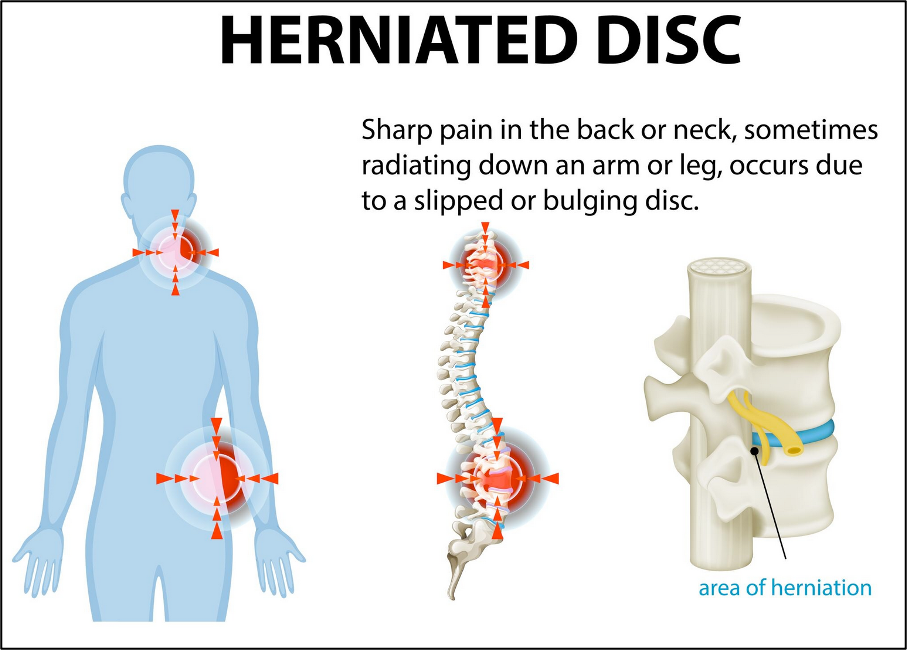
- Severe Disc Herniation
A herniated disc can press on spinal nerves, causing pain, numbness, or weakness. When the condition is severe or recurrent, fusion may be required after removing the damaged disc.
- Recurrent Spinal Stenosis
Spinal stenosis involves narrowing of the spinal canal, which can compress nerves. If the condition returns after previous treatments, lumbar fusion may be necessary to maintain decompression and prevent instability.
Types of Lumbar Fusion Procedures
There are several techniques used in lumbar fusion surgery, depending on the patient’s condition:
- Posterior Lumbar Fusion (PLF): Fusion is performed from the back of the spine.
- Transforaminal Lumbar Interbody Fusion (TLIF): A minimally invasive approach where the disc is removed and replaced with a spacer.
- Anterior Lumbar Interbody Fusion (ALIF): The surgeon approaches the spine from the front through the abdomen.
- Lateral Lumbar Interbody Fusion (LLIF): Access is gained from the side of the body, reducing muscle disruption.
Each method has its own benefits, and the choice depends on the specific diagnosis, anatomy, and surgeon’s expertise.
How the Procedure Works
During lumbar fusion surgery, the patient is placed under general anesthesia. The surgeon removes any damaged disc material or bone pressing on nerves. A bone graft is then placed between the vertebrae to stimulate new bone growth.
To provide immediate stability, metal screws, rods, or plates are often used. Over time, the bone graft fuses the vertebrae into a single solid structure.
The surgery can take several hours, depending on the complexity and number of levels involved.
Benefits of Lumbar Fusion
Lumbar fusion offers several significant benefits for patients suffering from chronic back pain:
- Pain Relief: Eliminates movement that causes pain
- Improved Stability: Strengthens the spine and prevents further damage
- Enhanced Mobility: Allows patients to perform daily activities with less discomfort
- Nerve Decompression: Reduces pressure on spinal nerves
For many patients, it provides long-term relief when conservative treatments have failed.
Risks and Considerations
Like any surgical procedure, lumbar fusion carries certain risks. These may include:
- Infection
- Blood clots
- Nerve damage
- Non-union (failure of bones to fuse)
- Adjacent segment degeneration (stress on nearby vertebrae)
However, with modern surgical techniques and proper post-operative care, complications are relatively rare.
Recovery After Lumbar Fusion
Recovery varies depending on the individual and the extent of the surgery. Most patients stay in the hospital for a few days after the procedure.
Early Recovery (First Few Weeks)
- Limited movement and activity
- Pain management with medications
- Walking encouraged to promote circulation
Intermediate Recovery (4–12 Weeks)
- Gradual return to normal activities
- Physical therapy to strengthen muscles
- Avoid heavy lifting and twisting
Long-Term Recovery (3–12 Months)
- Complete fusion of vertebrae occurs
- Increased strength and flexibility
- Return to work and normal lifestyle
Patients are advised to follow their surgeon’s instructions carefully to ensure proper healing.
Is Lumbar Fusion Right for You?
Lumbar fusion is typically recommended when:
- Chronic back pain persists despite non-surgical treatments
- Imaging tests confirm spinal instability or degeneration
- Pain significantly impacts daily life and mobility
A thorough evaluation by a spine specialist, including imaging studies such as MRI or CT scans, is essential to determine if lumbar fusion is the best treatment option.
Advances in Lumbar Fusion
Modern advancements in spine surgery have made lumbar fusion safer and more effective. Minimally invasive techniques allow for smaller incisions, reduced blood loss, and faster recovery times.
Additionally, improved surgical tools and imaging technology enable surgeons to perform the procedure with greater precision, leading to better outcomes for patients.
Conclusion
Lumbar fusion is a highly effective surgical solution for individuals suffering from chronic lower back pain caused by spinal instability or degenerative conditions. By permanently joining affected vertebrae, the procedure eliminates painful motion, restores stability, and improves quality of life.
While it is not the first line of treatment, lumbar fusion can provide lasting relief when conservative methods fail. With advancements in surgical techniques and proper post-operative care, patients can expect improved outcomes and a return to normal activities.
If you are experiencing persistent lower back pain, consulting a spine specialist can help you explore whether lumbar fusion is the right option for your condition.


