
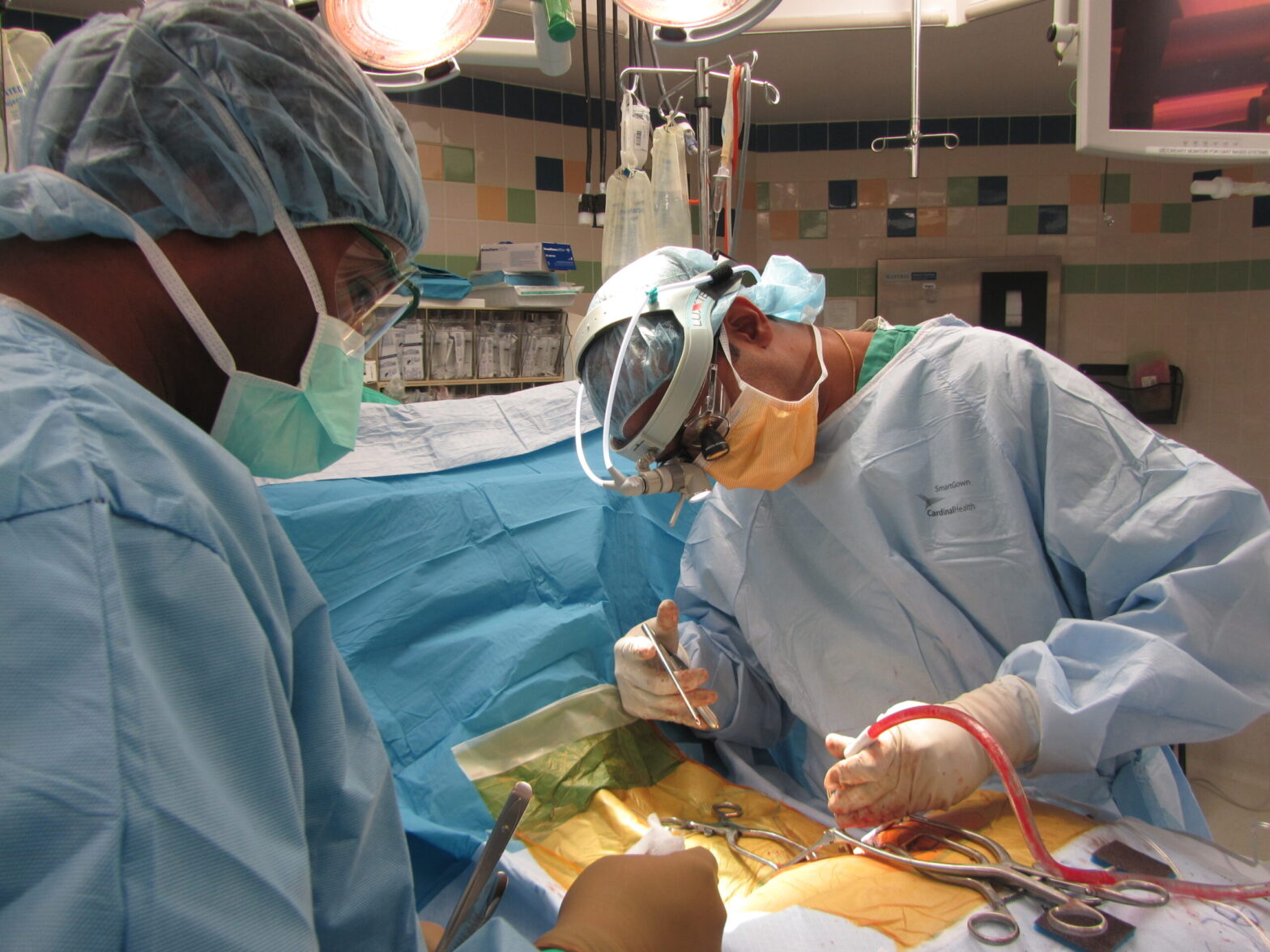
Persistent neck pain weeks or months even with rest, physiotherapy or medications can point towards some structural problem in the cervical spine. In cases where conservative treatment does not provide long-term relief, further research is required to determine the cause which either could be nerve compression, disc degeneration, or spinal instability. Under the circumstances when such conditions are established, a specialist can prescribe a procedure, such as cervical spine surgery NJ to alleviate nerve pressure and stabilize the affected region.
Pain Radiating Into the Arms and Shoulders
A frequent symptom of nerve involvement occurs in the neck that extends into the shoulders, arms or hands. This normally arises when a herniated or worn-out disc pinches the surrounding nerves causing discomfort or pain that is sharp, burning or electric shock-like. These symptoms may be accompanied by weakness or tingling and getting daily tasks like lifting objects or typing is challenging. In case such radiating symptoms do not improve or go away, surgery may be used to avoid permanent nerve damage.
Numbness or Loss of Sensation
One should never underestimate numbness, or the reduction of feeling in the hands, fingers or arms. The changes in the senses signal that the pathways of nerves are being squashed or aggravated in the cervical spine. The compression of nerves may result in permanent loss of sensation with time in the event that it is not treated. In the case of diagnostic imaging revealing disc herniation or bone spurs, the specialists might suggest the so-called cervical disc fusion surgery as a way to eliminate the damage to discs and stabilize the spine without impairing nerve activity.
Loss of Strength or Poor Coordination
Arm weakness, hand or grip weakness is a major indicator that motor nerve may be involved. You can observe that he frequently drops the items or has problems with fine motor coordination like buttoning the clothes. Balance issues or the inability to walk straight can indicate spinal cord compression. These symptoms demand immediate medical assessment, unless their early treatment will enhance the possibility of permanent neurological deficiency.
Limited Neck Mobility and Stiffness
The inability to completely rotate your head sideways or can be an indication of degenerative alterations in joints or discs in your spine. Momentary rigidity is normal, but permanent restrictions disrupting an individual daily activity are signs of more profound spinal problems. In case of imaging that shows that the joints are degenerated or there is abnormal movement of the discs, surgery can be done to stabilize the joint and relieve pain.
Symptoms That Interfere With Daily Life
Once the symptoms in the neck start interfering with normal daily life activities like working, sleeping or driving it is usually time to seek specialised assessment. Rigid headaches associated with issues in the cervical disc, frequent muscle spasms or nerve pain can greatly decrease the quality of life. When you cease to be able to cope with the pain with the help of non-surgical methods, surgery might be the next step towards permanent pain relief.
Diagnosed Spinal Conditions
There are medical diagnoses that are usually recommended to surgery in case of severe symptoms. Advanced degenerative disc disease, cervical spinal stenosis, traumatic injury or deformity of the spine (spondylolisthesis) can also be treated surgically to prevent further development and damage to spinal cord function. Surgery aims at the removal of compressed tissue and stabilisation of unstable vertebrae and re-alignment.
When to Consider Surgical Evaluation
Surgery is never an initial step and is normally taken only after other conservative therapies have failed or when the neurological manifestations are experienced. Such imaging as MRI or CT scan and detailed neurological tests aid in specialists understanding the time when surgery is the safest and most effective choice. Early diagnosis will result in early treatment, which will reduce chances of long-term complications.
Final Thoughts
Being aware of the red flags that indicate the necessity of cervical spine surgery will enable you to follow active measures that will lead to your recovery. Constant pain, nerve symptoms, weakness and deteriorating mobility are to be evaluated by a competent spine specialist. Early intervention will enable you to find out what treatments are available and when in need, seek surgical remedies to help maintain the long term health of the spine, comfort and stability.


